AI-powered cyber attacks are targeting Australian businesses at unprecedented rates. Learn how deepfakes, automated phishing and BEC scams work, and what your business can do to stay protected.

What Aussie businesses need to know in 2026
89% of Australians think they can spot a deepfake. Only 42% actually can.
(Source: CommBank Scam Indicator Research, January 2026)
That gap between confidence and reality is exactly where cybercriminals are making their money right now. And if you run a business in Australia, you need to understand what’s changed.
The cyber threat landscape has shifted dramatically over the past 18 months. Artificial intelligence, the same technology helping businesses work smarter, is now being weaponised to create attacks that are faster, more convincing and harder to detect than anything we’ve seen before.
This isn’t science fiction. It’s happening right now, to businesses just like yours.
The numbers paint a concerning picture
According to CommBank’s January 2026 research, 27% of Australians have witnessed a deepfake scam in the past 12 months. Of those incidents, 40% were business email compromise attacks. These are the scams where someone impersonates your CFO, your accountant, or a supplier to convince your team to transfer money. The same research found that 67% of Australians haven’t even discussed scam risks with family or friends, which shows just how little awareness there is around these evolving threats.
The Australian Signals Directorate received 84,700 cyber crime reports in the 2024-25 financial year. That works out to one attack reported every six minutes. And those are just the ones that got reported. The actual number is almost certainly higher.
(Source: ACSC Annual Cyber Threat Report 2024-25)
For professional services firms (law practices, accounting firms, consultancies), the stakes are even higher. These businesses consistently rank in the top five sectors reporting data breaches to OAIC. One breach doesn’t just affect your firm. It exposes every client you serve.
How AI has changed cyber attacks
A few years ago, phishing emails were relatively easy to spot. Poor grammar, generic greetings, obvious inconsistencies. Your team could be trained to look for red flags.
That’s no longer the case.
AI tools now allow attackers to craft messages that are grammatically perfect, contextually relevant, and personalised to individual recipients. They can scrape LinkedIn profiles, company websites, and news articles to gather intelligence about your business, your staff, and your relationships with suppliers and clients.
The result? Phishing emails that look exactly like they came from someone you know, discussing projects you’re actually working on, at times when you’d expect to receive them.
Research from global cyber security firms consistently shows that AI-generated phishing attempts are now harder to detect than at any point in history. The sophistication gap between legitimate business communication and malicious attempts has narrowed dramatically.
Deepfakes have entered the workplace
If you think deepfakes are just a problem for politicians and celebrities, think again.
Earlier this year, a finance employee at a multinational company was tricked into transferring $25 million after attending what they believed was a video call with their CFO and other senior executives. Every person on that call was a deepfake.
AI voice cloning technology has advanced to the point where attackers can create convincing audio of someone’s voice using just a few minutes of sample audio. That sample might come from a podcast appearance, a conference presentation, or even a voicemail greeting.
The implications for business are significant. The traditional advice of "call them to verify" is no longer fool-proof. That verification call might be part of the scam.
Business email compromise: still the biggest threat
Despite all the headlines about ransomware and data breaches, business email compromise (BEC) remains the most financially damaging cyber threat for Australian businesses.
The pattern is remarkably consistent:
An email arrives from what appears to be a trusted contact
A phone call follows to build trust and add urgency
A request is made (change of bank details, urgent payment, sensitive information)
The money or data is gone before anyone realises what happened
Noosa Council lost $2.3 million to exactly this kind of attack. No malware, no hacking, no technical sophistication. Just someone pretending to be a contractor asking to update bank details. They’ve since recovered around $640,000, but the remaining $1.7 million loss demonstrates how damaging these attacks can be.
(Source: Noosa Council public statements, 2024)
The staff member who processed it wasn’t careless. They were doing their job. The request seemed normal. The voice sounded legitimate. This is what modern social engineering looks like.
Why traditional security measures fall short
Here’s something that might concern you: attackers have developed sophisticated methods to bypass basic multi-factor authentication.
How? They’re not breaking through your security. They’re going around it.
They send fake login pages that capture both the password and the MFA code in real-time
They call employees pretending to be IT support, asking them to approve a login request
They exploit the 60-second window where authentication codes are valid
Basic MFA (SMS codes or authenticator app prompts) is better than nothing. But for business-critical systems like email and finance applications, you need phishing-resistant authentication methods. Hardware security keys. Passkeys. Methods that can’t be intercepted or tricked.
The human element: your biggest risk and your best defence
37% of data breaches involve human error.
Not sophisticated hacking. Not complex malware. Just people making mistakes.
(Source: OAIC Notifiable Data Breaches Report)
Clicking a link they shouldn’t have. Sending data to the wrong address. Using the same password everywhere. Approving a request without proper verification.
The typical response is "we need more training." And yes, awareness matters. But training alone won’t solve the problem.
Because people will always make mistakes. Especially when they’re busy, stressed, or under deadline pressure. Especially on a Friday afternoon before a long weekend. Especially during BAS season when accountants are juggling dozens of urgent requests.
The question isn’t whether your people will make mistakes. It’s what happens when they do.
Building layered protection works
Strong cyber protection assumes mistakes will happen and builds systems that catch them.
Here’s what that looks like in practice:
Email security that works before messages reach inboxes. Modern email filtering uses AI to detect suspicious patterns, flag impersonation attempts, and block malicious links before your team ever sees them. If a message looks like it’s from your CEO but actually came from an external address, it gets flagged or blocked automatically.

Payment verification processes that can’t be bypassed. Any request to change bank details should trigger a mandatory verification process. Call the supplier on a number you already have on file (never the one in the email). Require dual authorisation for any payment changes. Build in waiting periods for high-value transactions.
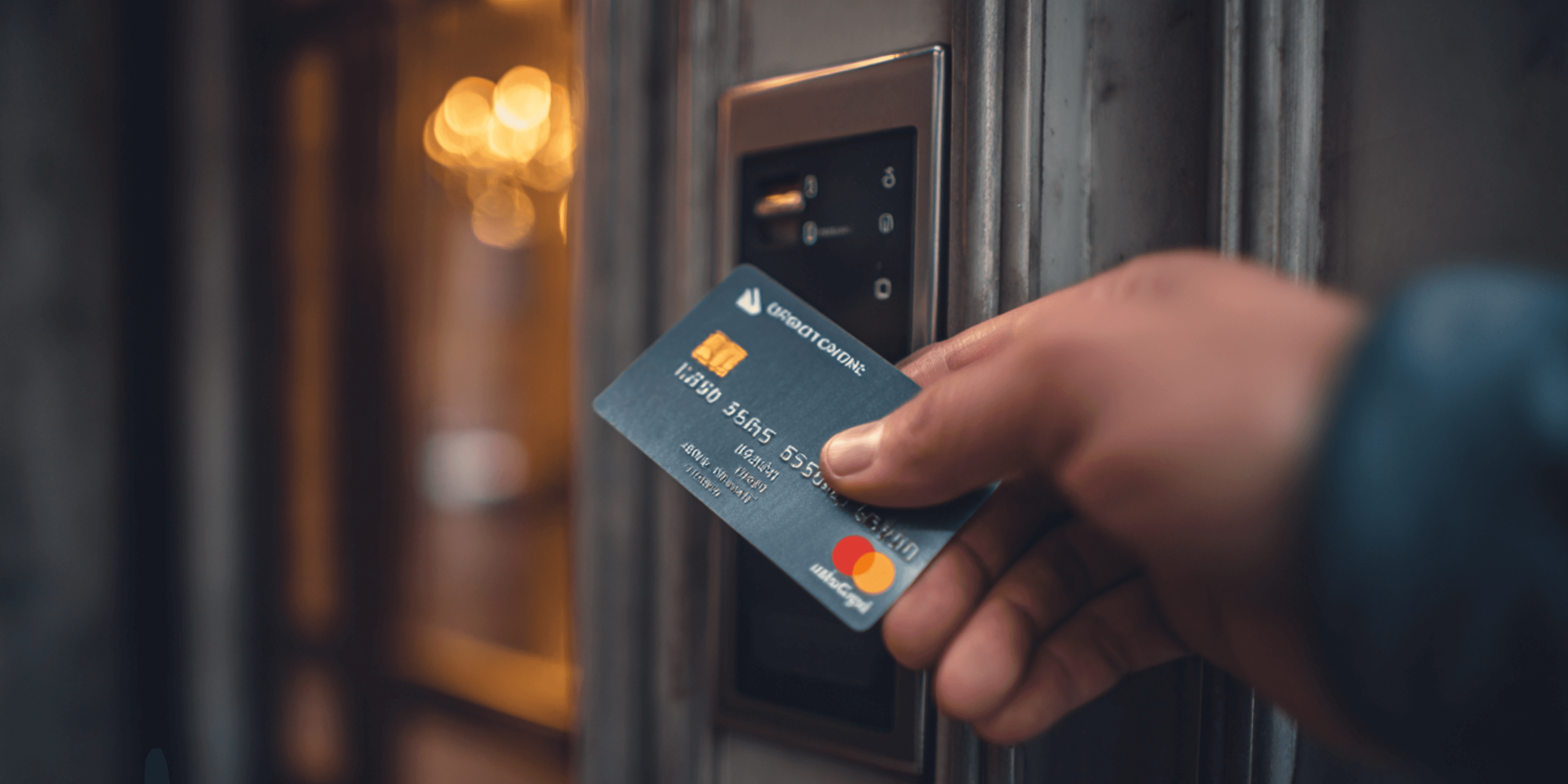
Access controls that limit damage. When credentials are compromised (and eventually, some will be), the damage should be contained. Not everyone needs access to everything. The principle of least privilege means people only have access to what they need for their specific role.

Monitoring that spots unusual behaviour early. Continuous monitoring looks for anomalies: logins from unusual locations, access outside normal hours, large data transfers, changes to financial systems. The goal is to catch suspicious activity before it becomes a breach.

Simple steps you can take this week
You don’t need to overhaul your entire security posture overnight. Here are practical steps you can implement immediately:
Write down a verification rule and share it with your team. Something like: "Any request to change bank details must be verified by calling the supplier on a number we already have on file. No exceptions, even if the CEO asks."
Set up a code word with your finance team. Pick a random word (like "pineapple" or "thunder") that only your team knows. If someone calls claiming to be you and asks for an urgent payment, your team asks for the code word. No code word, no transfer.
Review who has access to what. Make a list of everyone who can approve payments, access financial systems, or view sensitive client data. If anyone on that list doesn’t need that access for their current role, remove it.
Check your MFA setup. If you’re still using SMS codes for critical systems, consider upgrading to authenticator apps or hardware keys. The extra friction is worth the protection.
Talk to your team about these statistics. Share the 89% vs 42% deepfake detection gap. Make the threat real and current, not theoretical.
The regulatory environment is changing too
Since 30 May 2025, Australian businesses with annual turnover above $3 million are required to report ransomware payments to the Australian Signals Directorate within 72 hours. Miss the deadline? $19,800 penalty.
(Source: Cyber Security Act 2024, ransomware reporting obligations)
But that’s just the beginning. The first major civil penalty under the Privacy Act for a cyber incident landed earlier this year. Australian Clinical Labs paid $5.8 million, not to hackers, but to the government. The penalty wasn’t just about the breach itself. It was about inadequate security controls and failure to take "reasonable steps" to protect information.
(Source: OAIC enforcement action, Federal Court proceedings)
"Reasonable steps" is the phrase that should keep business owners up at night. Because regulators get to decide what reasonable means. And their expectations are increasing.
Looking ahead
AI-powered attacks will continue to evolve. The tools available to attackers will become more sophisticated, more accessible, and more affordable. The businesses that stay protected will be the ones that treat cyber security as an ongoing business function, not a one-time project.
This means:
Regular reviews of your security controls
Ongoing training that keeps pace with emerging threats
Tested incident response plans
Relationships with trusted partners who understand your business
The threat landscape has changed. Your approach needs to change with it.
Need help assessing your risk?
GuardianOne works with businesses across Australia to build comprehensive protection against modern cyber threats. We combine managed IT services with AI-powered cyber security, so nothing falls through the cracks.
If you’re not sure where your business stands, we can help you find out.
Get in touch: Enquire: here | Email: grow@guardian.one | Call: 1300 000 484
You grow. We guard.
AI-Powered Cyber Attacks

Leon Liberchuk